7 Tips for Buying the Right Asphalt Pump?

Choosing an asphalt pump is not just a matter of matching pipe size or motor power. Hot asphalt can be thick, abrasive, and difficult to move, especially after a brief shutdown. A pump that performs well in one plant may struggle with another mix, temperature, or production schedule. Details matter.

Before comparing models, define the job. Note the asphalt’s operating temperature, expected flow rate, discharge pressure, and how often the pump will run. Check whether the design can handle the material’s viscosity without demanding excessive power. Ask about compatible seals, heating arrangements, and wetted materials. These parts face real stress. A small mismatch can lead to leaks, uneven flow, or frequent maintenance.

Look beyond the purchase price. Review the manufacturer’s published performance data, service recommendations, spare-parts availability, and warranty terms. If possible, discuss your operating conditions with a qualified supplier or pump engineer. Their advice should fit your process, not simply promote a larger unit. Bigger is not always better.

It is easy to overlook the installation. Clearances, pipe layout, drive access, and safe maintenance space affect daily use. Consider what happens when the pump stops during a cold morning shift. How quickly can your team inspect it? What parts must be kept on site? There may be no perfect choice, and specifications can look convincing on paper. Verify them against actual conditions. The seven tips below offer a practical way to compare options, ask sharper questions, and select an asphalt pump suited to your application.
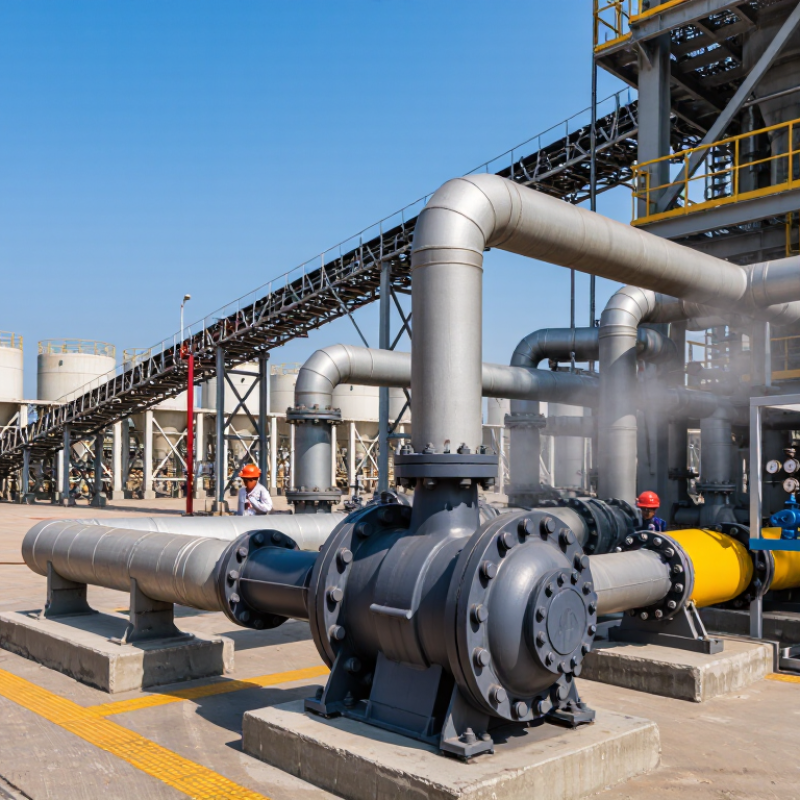
7 Tips for Buying the Right Asphalt Pump?

Define Your Asphalt Pumping Requirements

Defining asphalt pumping requirements starts with the material, not the machine. Record the asphalt grade, operating temperature, viscosity, solids content, and expected flow rate. A pump handling liquid binder may fail with heavily filled mastic. Confirm whether the material contains fibers, reclaimed asphalt particles, or mineral additives.

Temperature matters greatly. The FHWA Warm-Mix Asphalt study reports production temperature reductions of approximately 30 to 120°F, depending on the technology and mixture. Your pump must handle both normal and reduced-temperature operation. Specify the lowest expected temperature, because viscosity rises sharply as asphalt cools. Also measure the distance, elevation, pipe diameter, and number of bends. These details determine pressure demand. Small omissions become expensive.

Use real production conditions, not ideal laboratory values. The National Asphalt Pavement Association recommends evaluating mixture workability, temperature control, and consistent delivery during asphalt operations. Ask for continuous flow requirements, start-stop frequency, heating method, seal compatibility, and cleaning procedures. A short test with your actual material is valuable. I once underestimated a six-meter vertical lift; the flow looked acceptable until the line warmed unevenly. That mistake was avoidable. Leave operating capacity above the calculated requirement, but do not oversize blindly. Excessive shear, energy use, and heat exposure can create new problems.

Match Pump Design to Asphalt Material Properties

An asphalt pump must handle the binder’s actual viscosity, temperature, and additives—not just its rated flow. AASHTO M 320 sets a maximum binder viscosity of 3 Pa·s at 135°C for specified performance grades. That laboratory limit helps describe the material; it is not a pump-sizing rule. Check the supplier’s viscosity data across your operating temperatures, especially during cold starts. Small temperature drops can make a stiff binder much harder to move.

Match pump clearances and drive torque to the thickest material you expect, including polymer-modified binder or mixes containing fine solids. The Federal Highway Administration’s Superpave guidance uses rotational viscometry to assess binder workability at elevated temperatures, reinforcing the need to evaluate viscosity at real process conditions. For a practical check, compare the pump curve with the binder’s viscosity, required flow, and discharge pressure. Ask how seals, bearings, and internal clearances tolerate sustained heat and abrasive contamination. Hot asphalt can cool in an exposed line and form stubborn deposits. It happens. I would leave a margin in the motor selection, then verify performance with the actual binder; catalog figures rarely capture every awkward start-up.

Compare Flow Rate, Pressure, and Operating Capacity

Choosing an asphalt pump starts with the flow rate your job actually needs. Estimate the volume per hour, then account for pipe length, bends, and elevation changes. These details add resistance and can reduce delivery. Asphalt also changes behavior with temperature, so compare pump data at conditions close to your process. A number copied from a brochure may describe ideal testing, not your setup. Easy to miss.

Pressure matters just as much. Check the pump’s rated pressure against the resistance in the full piping system, including hoses, valves, and filters. Leave a sensible operating margin rather than running at the limit. Confirm that pressure-relief provisions and temperature ratings suit the installation. Never assume a larger motor automatically solves poor flow; the pump, drive, and piping must work together.

Operating capacity is more than peak output. Ask whether the pump can run continuously for the planned shift, handle expected start-and-stop cycles, and maintain performance as asphalt warms or cools. Check suction conditions and the recommended viscosity range, too. On paper, two pumps may look similar. In practice, one may struggle after a long hose run, while the other stays steady. I would still verify the figures with a small trial; real site conditions are rarely perfect.

7 Tips for Buying the Right Asphalt Pump? - Compare Flow Rate, Pressure, and Operating Capacity

No. Buying Tip Key Specification Typical Selection Range What to Check Recommended Selection Logic
1 Match the required flow rate Continuous asphalt flow 5–150 m³/h
22–660 US gpm
Required delivery volume, loading or unloading time, pipe diameter, and acceptable flow variation. Choose a pump whose normal operating point is approximately 70–90% of its rated maximum flow, rather than operating continuously at full capacity.
2 Compare differential pressure Pump discharge pressure 3–25 bar
45–363 psi
Static lift, pipe length, elbows, valves, filters, heat-traced sections, and asphalt viscosity. Calculate total system resistance and select a pump with at least 10–20% pressure margin without exceeding the pipe or equipment pressure rating.
3 Verify operating capacity Duty cycle and daily throughput Intermittent duty to 24-hour continuous duty
Up to approximately 3,600 m³/day at 150 m³/h
Hours per day, starts per hour, seasonal workload, standby requirements, and motor cooling. For continuous service, use a pump and drive rated for 100% duty and consider a standby unit where production cannot stop.
4 Check temperature compatibility Asphalt and seal temperature Approximately 120–230°C
248–446°F
Product grade, maximum allowable temperature, seal material, bearing lubrication, thermal expansion, and heat-tracing method. Select wetted materials, mechanical seals, and insulation for the actual maximum temperature—not only the normal operating temperature.
5 Match the pump to asphalt viscosity Viscosity at operating temperature Typically 50–20,000 cP
0.05–20 Pa·s
Viscosity range, softening behavior during cooling, suction conditions, and required speed control. Use positive-displacement technology for accurate flow at high viscosity; use a variable-frequency drive when viscosity or flow demand changes.
6 Confirm suction and inlet conditions Suction lift and inlet pressure Prefer flooded suction
Typical inlet pressure: 0–3 bar
Tank level, suction-line length, inlet diameter, cold-start condition, strainer resistance, and available NPSH. Keep the pump close to and below the tank outlet where possible, use a short large-diameter suction line, and avoid restrictive inlet strainers.
7 Allow for maintenance and safety Materials, sealing, and protection Carbon or stainless steel wetted parts
Thermal insulation and guarding required
Seal flush or heating arrangement, relief valve, drain connections, access for cleaning, guarding, and emergency shutdown. Choose a pump with an integrated pressure-relief system, replaceable wear components, accessible seals, and protection against dead-heading.
Selection note: The ranges shown are typical engineering selection bands for hot asphalt transfer applications. Final sizing should be based on the actual asphalt grade, operating temperature, viscosity curve, pipe layout, pressure losses, duty cycle, and applicable safety standards.

Evaluate Durability, Maintenance, and Safety Features

When buying an asphalt pump, durability should be judged beyond its advertised output.

1. Inspect the frame, hopper, and pump chamber for thick, corrosion-resistant materials.

2. Check whether seals and wear plates can handle abrasive asphalt mixtures. During a site trial, listen for unusual vibration and watch for uneven flow. Small warning signs matter.

3. Study the maintenance design. Can technicians reach filters, valves, and lubrication points without removing half the machine?

4. Confirm that replacement parts are clearly identified and realistically available. A pump that stops for days can damage a project schedule.

I once underestimated cleaning time on similar equipment; the pump worked well, but daily servicing became frustrating.

5. Review safety features carefully. Emergency stops should be easy to reach, even with gloves.

6. Guards must cover moving components, while access panels should prevent accidental operation when open.

7. Ask for clear operating instructions, maintenance records, and documented testing procedures. Do not rely only on a sales demonstration.

Check temperature controls, pressure indicators, and hose connections before purchase. These details help operators detect blockages before pressure becomes dangerous. The safest equipment is not always the most automated. Simple controls can reduce confusion during a cold, noisy shift. Still, simplicity has limits. Verify that alarms are visible and audible from the operator’s normal position. A practical inspection by an experienced technician can reveal weaknesses that specifications often miss.

Review Supplier Support, Total Cost, and Warranty Terms

7 Tips for Buying the Right Asphalt Pump

Supplier support deserves the same attention as pump capacity. During a cold morning startup, a delayed seal kit can stop an entire asphalt line. Ask for documented response times, local service coverage, commissioning support, and operator training. Request a written spare-parts list with prices and delivery estimates. The Hydraulic Institute recommends evaluating pumps through lifecycle performance, not purchase price alone. That matters here.

Total cost includes electricity, heating, seals, flushing, inspections, downtime, and disposal. The U.S. Department of Energy’s Operations & Maintenance Best Practices guide reports that operation and maintenance may represent 60–75% of lifecycle costs in facility systems. Asphalt service can be harsher than ordinary fluid transfer. Check viscosity limits, temperature ratings, wear-part intervals, and cleaning requirements. Compare a five-year cost model. Include one realistic breakdown.

Warranty wording often hides the largest risk. Confirm the coverage period, labor and freight responsibilities, performance conditions, and exclusions for overheating, contamination, dry running, or incorrect installation. Ask whether the supplier guarantees flow at your actual asphalt temperature and pressure. Get acceptance criteria in writing. A certificate alone is weak protection.

My early mistake was trusting a long warranty without checking response procedures. The warranty looked impressive. The repair delay was not. Independent test records, service references, and clear escalation contacts provide stronger evidence than sales claims. Keep every promise attached to the quotation.

This 100-point evaluation framework helps buyers compare asphalt pumps consistently. Application fit and hydraulic performance receive the highest weights, while supplier support, total cost of ownership, warranty coverage, maintenance access, and safety compliance help reduce long-term operating risk.