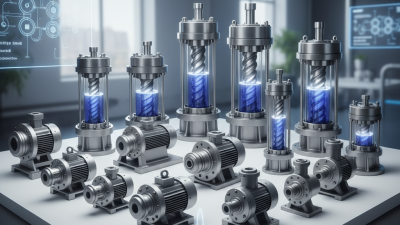
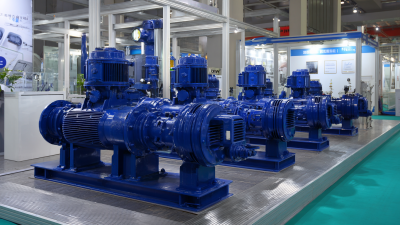
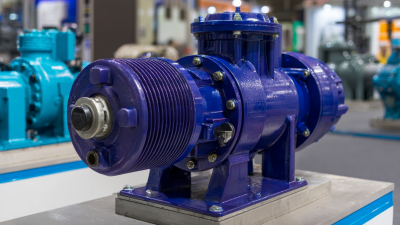
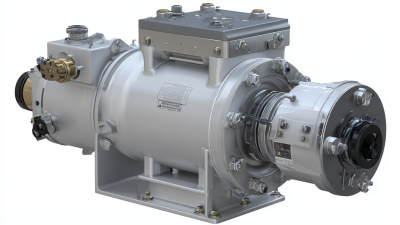
China has become a major sourcing base for positive displacement pump manufacturers. Its industrial clusters cover gear, screw, lobe, piston, and diaphragm pump technologies. These factories serve chemical plants, food processors, oil facilities, water-treatment projects, and pharmaceutical production lines.
Market evidence supports this growing relevance. Grand View Research’s Positive Displacement Pumps Market report identifies rising demand from chemical processing, energy, and industrial automation. MarketsandMarkets also reports continued growth, driven by accurate dosing, viscous-fluid handling, and improved process control. However, market size estimates vary between reports. Definitions, product categories, and regional coverage are not always identical. That matters when comparing suppliers.
A practical review should examine more than factory photographs. It should verify flow stability, pressure ratings, material traceability, seal options, efficiency data, and documented testing. ISO 9001 certification can support quality confidence, but it cannot replace pump-performance evidence. Look for test curves, inspection records, spare-parts support, and references from comparable industries.
Pump specialist Dr. Lev Nelik explains the operating principle clearly: “A positive displacement pump moves a fixed volume of liquid per cycle.” That fixed-volume behavior supports reliable metering, especially with thick or sensitive fluids. Yet slip, wear, temperature, and installation errors can reduce real-world accuracy.
Details matter most.
This guide evaluates leading positive displacement pump manufacturers in China through technical capability, manufacturing experience, customization, export support, and after-sales service. The ranking is not perfect. A supplier that excels in gear pumps may not suit a hygienic lobe-pump application. Buyers should still request samples, factory evidence, and independent verification before making a final decision.
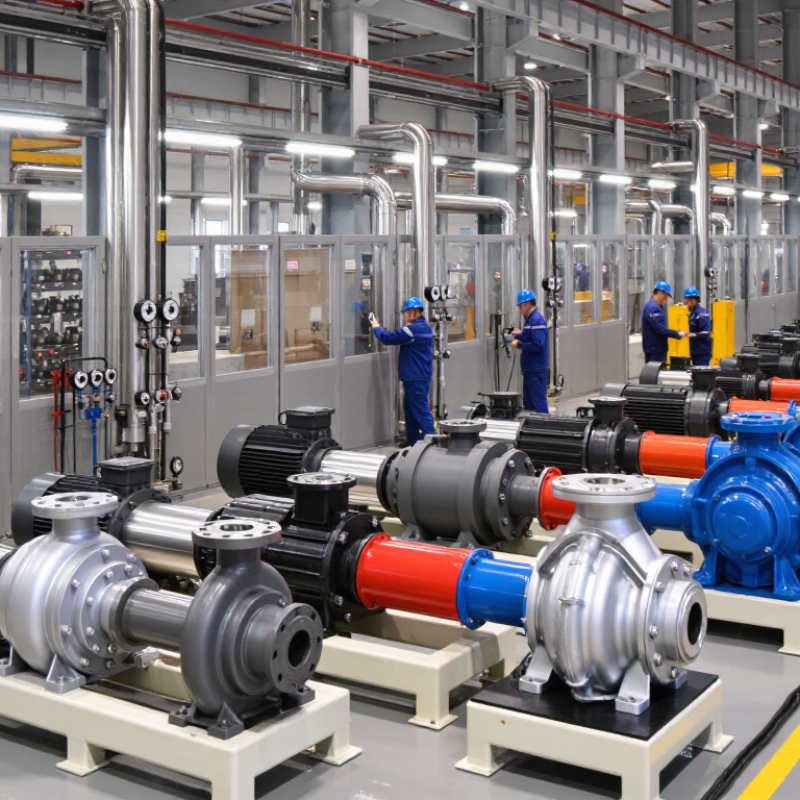
China’s positive displacement pump market is shaped by viscous liquids, accurate dosing, and stable pressure. Industry reports differ, but Grand View Research valued the global market at roughly USD 17 billion in 2023. Its analysis identifies chemical processing, oil and gas, food, and water treatment as major demand areas. These sectors explain China’s broad mix of pump designs.
Rotary gear pumps handle oils, polymers, and other steady, viscous streams. Twin-screw and progressive cavity pumps move abrasive or shear-sensitive materials. Vane pumps suit clean fluids requiring controlled flow. Reciprocating piston and plunger pumps deliver high pressure for metering and injection.
Diaphragm pumps isolate liquids from moving mechanisms. Lobe pumps support hygienic food and pharmaceutical processing. Peristaltic designs help control contamination. A 2024 MarketsandMarkets report connects market growth with chemical and water-treatment investment, although regional estimates vary. That disagreement deserves attention.
Tips: Match viscosity, solids, temperature, and pressure before comparing flow rates. Request test data using the actual liquid, not clean water. Check pulsation, seal wear, spare-part access, and motor efficiency. Reference API 674, API 675, or API 676 where applicable. China’s operating conditions can change quickly, especially during northern winters or dusty industrial work. A smaller pump may fail from speed, while an oversized unit wastes energy. Selection is rarely perfect.
Choosing a Chinese positive displacement pump manufacturer requires more than comparing quotations. In factory audits, I examine machining accuracy, traceability, and engineering response times. The 2024 MarketsandMarkets Industrial Pumps report identifies energy efficiency and lifecycle cost as major purchasing drivers. This matters because a cheaper pump can demand more maintenance later.
Technical compliance should be visible, not promised. Ask for performance curves, material certificates, pressure-test records, and documented calibration. Rotary pumps for demanding services should align with API 676, while quality systems should follow ISO 9001 principles. Pump Systems Matter and U.S. Department of Energy guidance note that pumping systems can represent a significant share of industrial electricity use. Therefore, evaluate efficiency at the actual flow rate, not only at the advertised duty point. Small errors become expensive.
Supplier experience also appears in details. Can the manufacturer explain seal selection for abrasive fluids? Can it provide spare-part drawings and a clear factory acceptance test? Review export history, warranty exclusions, and response times before signing. A polished showroom proves little. I have seen excellent samples fail under continuous operation because the test medium was too clean. This is an uncomfortable lesson. Independent inspection may expose weaknesses, but it improves reliability. Consider pilot testing, batch consistency, and after-sales support alongside price. The strongest evaluation combines report data, standards, operating evidence, and healthy skepticism.
Leading positive displacement pump manufacturers in China serve demanding industries such as chemicals, food processing, water treatment, and energy. Their product ranges often include gear, screw, lobe, diaphragm, and piston pumps. Experienced manufacturers match pump design with fluid viscosity, temperature, pressure, and required flow rate. A thick syrup may need slow, controlled rotation, while abrasive slurry requires hardened surfaces and careful sealing.
Reliable suppliers usually show more than polished catalogs. They provide material certificates, performance curves, factory test records, and clear maintenance instructions. Many operate machining centers, assembly lines, and test benches for pressure, leakage, vibration, and flow verification. Ask how they handle traceability. It matters.
Site experience can expose details that brochures miss. During a factory assessment, inspect machining quality, seal storage, calibration labels, and spare-part organization. A responsible engineering team should explain tolerances without hiding limitations. It should also recommend against an unsuitable pump, even when that decision reduces the order value. That is a useful sign of professional judgment.
Chinese manufacturers can offer competitive engineering, flexible customization, and practical export support. However, quality is not identical across every supplier or production batch. I would request a sample inspection, reference project, and witnessed factory acceptance test before long-term purchasing. Communication can still be imperfect, especially around translated specifications. Write operating conditions in numbers, including viscosity range, suction pressure, temperature, and duty cycle. Small omissions often become expensive failures.
| Product Category | Operating Principle | Typical Flow Range | Typical Pressure Capability | Suitable Fluid Viscosity | Common Materials | Typical Applications | Key Manufacturing and Quality Considerations |
|---|---|---|---|---|---|---|---|
| External Gear Pumps | Two meshing gears transfer fluid from the inlet side to the outlet side through the casing. | Approximately 0.1–500 m³/h | Approximately 10–250 bar, depending on design, speed, and fluid properties | Low to high viscosity fluids; commonly used for oils, fuels, polymers, and lubricants | Cast iron, ductile iron, carbon steel, stainless steel, and hardened alloy steel | Hydraulic systems, lubrication, fuel transfer, chemical dosing, and oil handling | Gear accuracy, shaft sealing, internal clearances, pressure testing, and wear resistance are critical. |
| Internal Gear Pumps | An inner rotor and an outer idler gear move fluid in a smooth, low-pulsation flow path. | Approximately 1–400 m³/h | Approximately 5–200 bar | Medium to very high viscosity fluids, including oils, resins, asphalt, and adhesives | Cast steel, stainless steel, alloy steel, and wear-resistant surface-treated components | Petrochemical processing, bitumen transfer, food processing, and polymer production | Temperature control, rotor-to-casing fit, mechanical seal selection, and low-shear operation are important. |
| Screw Pumps | One or more rotating screws convey fluid axially with relatively low pulsation. | Approximately 1–2,000 m³/h | Approximately 10–150 bar | Low to high viscosity fluids; suitable for lubricating, multiphase, and shear-sensitive liquids | Carbon steel, stainless steel, duplex stainless steel, and nickel-based alloys for demanding services | Marine fuel systems, oil and gas, power plants, hydraulics, and industrial lubrication | Screw profile accuracy, rotor balance, vibration control, bearing life, and dry-running protection should be evaluated. |
| Twin-Screw Pumps | Two intermeshing screws transport liquid while allowing gentle handling and broad operating flexibility. | Approximately 1–1,500 m³/h | Approximately 10–100 bar | Low to high viscosity fluids, suspensions, emulsions, and fluids containing limited solids | Stainless steel, duplex stainless steel, coated carbon steel, and food-grade alloys | Food and beverage, chemical processing, petroleum, wastewater, and hygienic production lines | Hygienic design, cleanability, screw synchronization, elastomer compatibility, and solids tolerance are key factors. |
| Lobe Pumps | Rotating lobes move fluid through the pump chamber without direct contact between the lobes. | Approximately 0.5–400 m³/h | Approximately 5–40 bar | Low to high viscosity fluids and products containing soft suspended particles | Stainless steel, 316L stainless steel, food-grade elastomers, and corrosion-resistant alloys | Dairy, beverages, cosmetics, pharmaceuticals, biotechnology, and wastewater treatment | Surface finish, hygienic certification, gentle product handling, clean-in-place capability, and seal design matter. |
| Progressive Cavity Pumps | A helical rotor moves through an elastomeric stator to create sealed cavities that convey fluid. | Approximately 0.1–500 m³/h | Approximately 6–60 bar per stage arrangement | Very viscous, abrasive, gas-containing, or solids-laden fluids | Carbon steel, stainless steel, chrome-plated steel, nitrile rubber, EPDM, and fluoropolymer elastomers | Sludge handling, mining, wastewater, chemicals, food products, and oilfield services | Elastomer compatibility, rotor coating, stator compression, dry-run protection, and solids handling should be verified. |
| Peristaltic Pumps | Rollers or shoes compress a flexible hose or tube, creating a controlled displacement of fluid. | Approximately 0.001–100 m³/h | Approximately 1–25 bar | Abrasive, corrosive, shear-sensitive, sterile, and solids-containing fluids | Rubber or thermoplastic hoses, stainless steel, coated steel, and corrosion-resistant wetted parts | Water treatment, mining slurry, chemical dosing, printing, laboratories, and pharmaceutical processing | Hose life, compression geometry, speed control, pulsation management, and chemical compatibility are essential. |
| Diaphragm Metering Pumps | A reciprocating diaphragm varies the chamber volume to deliver accurately controlled doses. | Approximately 0.001–10 m³/h | Approximately 5–400 bar, depending on model and capacity | Low to medium viscosity chemicals, including corrosive and hazardous liquids | PTFE, PVDF, polypropylene, stainless steel, alloy steel, and chemical-resistant elastomers | Water treatment, chlorination, chemical dosing, power generation, and process control | Dosing accuracy, leak prevention, diaphragm life, calibration, pressure relief, and material compatibility are decisive. |
| Piston and Plunger Pumps | A reciprocating piston or plunger displaces a defined volume through suction and discharge valves. | Approximately 0.01–500 m³/h | Approximately 50–2,000 bar for high-pressure designs | Low to medium viscosity liquids; selected designs handle abrasive or chemically demanding fluids | Forged steel, stainless steel, ceramic, tungsten carbide, and engineered valve materials | High-pressure cleaning, reverse osmosis, oil and gas, hydraulics, and industrial testing | Plunger alignment, valve reliability, sealing technology, pressure pulsation, and fatigue performance are important. |
| Vane Pumps | Sliding vanes in a rotating rotor create changing chamber volumes that move the liquid. | Approximately 1–300 m³/h | Approximately 5–35 bar | Primarily low to medium viscosity fluids such as fuels, solvents, and hydraulic liquids | Ductile iron, carbon steel, stainless steel, bronze, and engineered vane materials | Fuel transfer, vehicle loading, hydraulic systems, solvent circulation, and lubrication | Vane wear, dry-run resistance, inlet conditions, sealing, and volumetric efficiency should be assessed. |
Reliable positive displacement pump manufacturing begins with controlled design and repeatable production. Qualified factories typically use ISO 9001-based quality systems, material certificates, and documented inspection procedures. Engineers verify pump capacity, pressure limits, viscosity range, and sealing conditions before production starts. Each critical component should carry a traceable batch number. This includes castings, shafts, gears, rotors, and elastomers. Dimensional checks with calibrated instruments help prevent alignment problems during assembly. However, paperwork alone does not guarantee performance.
A serious quality program includes hydrostatic pressure testing, leakage checks, rotation testing, and performance verification. Test benches should record flow rate, pressure, speed, power use, vibration, and noise.
For pumps used with demanding fluids, seal compatibility and temperature resistance require additional review. Inspectors should compare results with approved drawings and technical specifications.
When a deviation appears, the factory should document its cause and corrective action. In practice, small oversights still happen. The important issue is whether the process detects them early and prevents repetition.
Tips: Ask for inspection records, calibration certificates, material traceability, and factory acceptance test reports. Confirm how nonconforming parts are isolated. Request photographs of test instruments and assembly areas. A useful supplier also explains maintenance intervals, spare-part tolerances, and operating limits clearly. Do not judge quality from polished equipment alone; examine the evidence behind every delivered pump.
Top Positive Displacement Pump Manufacturers in China
How to Select the Right Chinese Pump Manufacturer
Selecting a Chinese positive displacement pump manufacturer requires more than comparing prices. Start with your operating conditions. Record flow rate, pressure, fluid viscosity, temperature, and required materials. A pump handling syrup needs different clearances from one handling thin chemicals. Small details matter.
Ask for technical drawings, performance curves, material certificates, and recent factory inspection records. Confirm whether testing covers your actual working range. A professional manufacturer should explain leakage control, seal options, maintenance intervals, and expected service life clearly. Vague answers deserve caution. A polished website proves little.
Request a sample pump or a controlled performance test before placing a large order. Check machining quality, weld finishing, noise, vibration, and label accuracy. Review quality procedures, delivery capacity, spare parts support, and response times. Communication is also evidence. If engineers answer specific questions quickly, cooperation may be smoother. If every reply avoids responsibility, reconsider the supplier.
Do not select only by the lowest quotation. A cheaper pump can create higher costs through downtime, damaged seals, or delayed parts. However, expensive equipment is not automatically better. Compare total ownership costs using the same specifications. I would also document every requirement in the contract, including inspection standards and acceptance conditions. This step is easy to overlook. That mistake can become expensive.
Compare common positive displacement pump technologies by representative maximum discharge pressure. Actual ratings vary by model, materials, temperature, fluid viscosity, and manufacturer specifications.
When evaluating a Chinese pump manufacturer, verify pressure and flow performance, material compatibility, efficiency, sealing design, testing standards, spare-parts availability, customization capability, and after-sales support. The pressure figures shown are representative industrial values rather than company-specific data.