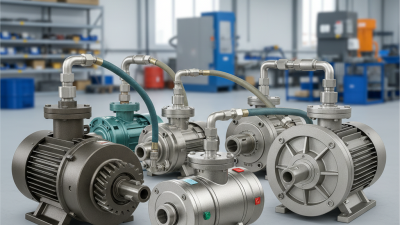
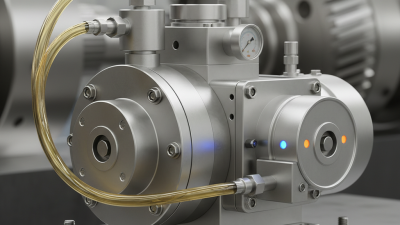
Selecting the right oil pumps is no longer a simple catalog exercise. Flow rate, viscosity, temperature, pressure, and duty cycle can change the result dramatically. A pump that performs well with light lubricating oil may struggle with heavy fuel oil.
Market evidence shows why careful selection matters. Grand View Research estimated the global industrial pumps market at approximately USD 68 billion in 2023. Its report also projects continued growth through 2030, supported by energy, chemical, and manufacturing applications. The U.S. Department of Energy notes that pumping systems can represent a significant share of industrial electricity use. Small efficiency losses can become expensive across thousands of operating hours.
Performance is only one part of the decision. API 610 and ISO 2858 provide useful engineering references for centrifugal pump design and application. However, standards cannot replace site-specific judgment. Real installations face cold starts, contaminated fluids, seal wear, fluctuating demand, and maintenance limits. These details often expose weaknesses that product brochures hide.
Fit matters.
The following ten tips examine efficiency, materials, sealing methods, control systems, safety, service support, and lifecycle cost. They are designed for engineers, maintenance teams, and purchasing managers comparing oil pumps in practical operating conditions. Report figures can differ between research firms, and that uncertainty deserves attention. A cheaper pump may reduce the initial budget, yet increase energy consumption, leakage risk, or downtime later. The better choice is usually the pump that matches the complete operating profile, not merely the highest advertised capacity.
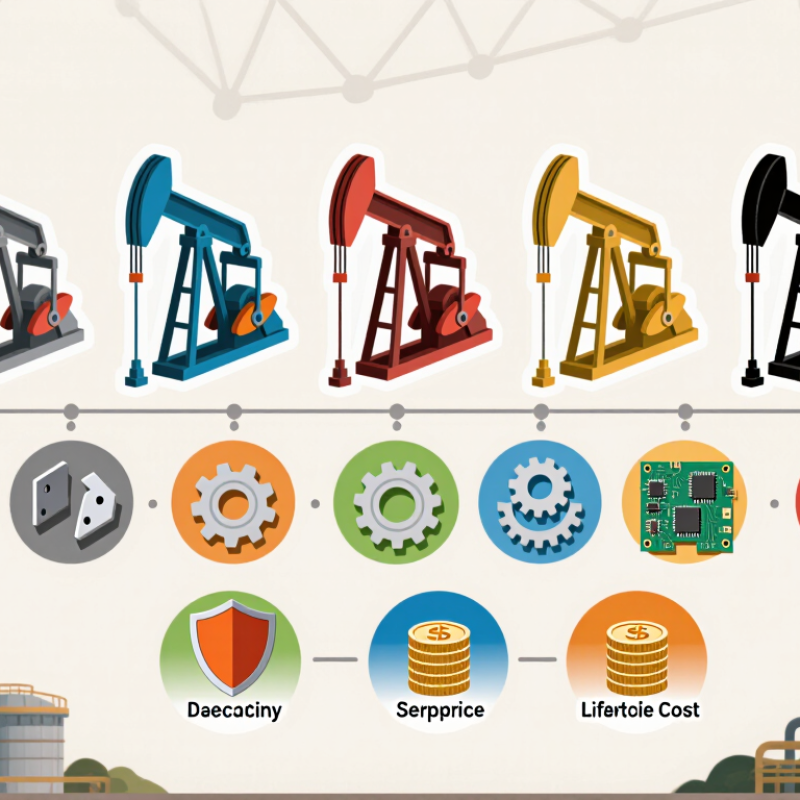
Choosing an oil pump starts with the fluid, not the catalog. I have seen efficient pumps struggle when oil viscosity changed with temperature. Tip one: measure viscosity at operating conditions. Tip two: confirm the required flow rate. Tip three: check discharge pressure and system resistance. Small errors matter.
Gear pumps suit steady lubrication and oil transfer. Vane pumps provide smooth flow for many medium-viscosity oils. Screw pumps handle thick fluids with relatively low pulsation. Piston pumps deliver high pressure, but they may require more maintenance. Centrifugal pumps work well with low-viscosity fluids and high flow rates. They may not prime reliably.
Tip seven: inspect seal compatibility with the oil. Tip eight: check the inlet size and suction lift. A restricted inlet can cause noise, cavitation, and early wear. Tip nine: consider motor efficiency and control options. Variable speed can reduce heat and energy use. Tip ten: plan access for cleaning and seal replacement.
Do not ignore installation. Alignment, filtration, and clean oil strongly affect service life.
I once focused too much on rated flow and overlooked cold-start conditions. That decision needed rethinking.
Test the pump under real temperatures, not only ideal workshop conditions.
Matching pump capacity to your system’s oil flow is the most practical selection step. Start with the required circulation rate, not the pump’s maximum rating. Calculate the oil volume, target turnover time, operating temperature, and viscosity range. A pump rated for 100 liters per minute may deliver far less when cold oil increases resistance. Measure the real system conditions where possible. Guessing is expensive.
The U.S. Department of Energy reports that pumping systems can represent 25% to 50% of industrial electricity use. Oversized pumps often waste energy through bypassing, throttling, and unnecessary pressure. Choose a pump that meets peak demand, then verify its stable flow at normal conditions. A modest reserve of 10% to 20% may help, but more is not always safer. Too much flow can create heat, foaming, seal stress, and shortened filter life.
Check the pump curve against the system curve. Confirm inlet conditions, pipe diameter, oil viscosity, pressure losses, and relief-valve settings. API 614 emphasizes reliable lubrication and adequate oil delivery for critical machinery. That principle matters beyond compliance. In field checks, an apparently correct pump can still starve a bearing because of a blocked strainer or undersized suction line. I have seen capacity calculations fail when engineers used room-temperature viscosity. Recheck at startup temperature. The best selection is sometimes less powerful, but better matched.
Pressure ratings deserve more than a glance at the nameplate. The U.S. Department of Energy’s Improving Pumping System Performance sourcebook reports that pumping systems can consume 25–50% of industrial facility electricity. Oversizing a pump may therefore increase both energy use and mechanical stress. Compare maximum discharge pressure, shutoff pressure, and relief-valve settings with the system’s real operating range. Leave a practical margin, but avoid excessive safety factors that hide poor selection.
Materials must match the fluid, not only the pump price. Stainless steel may resist many corrosive oils, while carbon steel can suit cleaner, less aggressive services. Check viscosity, additives, water content, and contamination. API 610 and ISO 13709 provide widely used requirements for centrifugal pump design and testing. Their guidance supports disciplined material selection, but it does not replace a fluid compatibility review. I once treated “oil” as a sufficient specification. That shortcut was wrong.
Temperature can quietly reduce pressure capacity. ASME B16.5 pressure-temperature tables show that allowable pressure commonly declines as temperature rises, depending on material class. Confirm the pump body rating at the actual fluid temperature, not at room temperature. Review seal limits, bearing lubrication, and motor insulation separately. Short peaks matter. A 120°C fluid may appear acceptable during normal operation, yet startup conditions can create higher viscosity, thermal expansion, or seal damage. Record measured pressure and temperature from the installation, then compare them with certified curves and test data. Some assumptions will need revision.
| No. | Selection Criterion | Useful Data Range or Target | What to Check | Practical Recommendation |
|---|---|---|---|---|
| 1 | Define Required Flow Rate | Specify the required flow in L/min at the actual operating speed and pressure. | Compare the pump's rated flow with the system demand, including expected losses and peak demand. | Select a pump with approximately 10–20% additional flow capacity, while avoiding excessive oversizing. |
| 2 | Verify Pressure Rating | Common continuous hydraulic-oil ratings range from about 70 to 350 bar, depending on pump type and design. | Check continuous, intermittent, and peak pressure ratings separately. | Choose a continuous rating above the system's maximum working pressure and confirm that the relief valve setting is compatible. |
| 3 | Match the Pump Type to the Duty | External gear pumps are commonly used for simple, robust service; vane pumps typically provide lower noise; piston pumps suit high-pressure applications; screw pumps suit smooth, low-pulsation flow. | Evaluate pressure, noise, pulsation, efficiency, speed range, and contamination tolerance. | Do not select a pump based on pressure alone; match its operating principle to the system's duty cycle. |
| 4 | Check Oil Viscosity | Many hydraulic oils operate effectively around 15–100 cSt; the exact allowable range depends on pump construction and speed. | Confirm minimum viscosity during hot operation and maximum viscosity during cold start-up. | Use the pump manufacturer's viscosity limits; excessive viscosity can cause inlet starvation, while low viscosity increases leakage and wear. |
| 5 | Confirm Operating Temperature Limits | A typical mineral-oil operating range is approximately −20°C to 80°C, although some pump and seal combinations support higher temperatures. | Check fluid temperature, ambient temperature, cold-start temperature, and maximum seal temperature. | Keep the fluid within both the pump and oil limits; use suitable seals and thermal management for high-temperature service. |
| 6 | Select Compatible Materials | Common construction materials include cast iron, ductile iron, carbon steel, stainless steel, bronze, and engineered polymers. | Consider pressure loading, corrosion, fluid additives, water content, and abrasive particles. | Use corrosion-resistant wetted materials for water-containing or chemically aggressive fluids and verify galvanic compatibility. |
| 7 | Choose the Correct Seal Material | Nitrile rubber is widely used for standard mineral oils; fluorocarbon rubber is often selected for higher temperatures and broader chemical resistance. | Check compatibility with the oil type, additives, temperature, pressure, and shaft speed. | Never assume a standard seal is suitable for synthetic, biodegradable, fire-resistant, or ester-based fluids. |
| 8 | Evaluate Suction Conditions and NPSH | The inlet should maintain adequate absolute pressure to prevent cavitation; suction-line velocity is commonly kept near or below 1.2 m/s in many hydraulic systems. | Check tank oil level, suction-line length, pipe diameter, strainer restriction, oil viscosity, and inlet pressure. | Use a short, adequately sized suction line and avoid restrictive inlet filters unless specifically approved for the application. |
| 9 | Check Efficiency, Speed, and Drive Requirements | Pump speed commonly ranges from several hundred to approximately 3,000 rpm, depending on design; volumetric efficiency often declines as pressure and leakage increase. | Verify rated rpm, starting torque, shaft power, coupling alignment, and motor capacity. | Operate within the approved speed range and size the motor for maximum pressure, not only normal running conditions. |
| 10 | Plan Filtration and Maintenance | Clean hydraulic oil is commonly maintained around ISO 4406 cleanliness levels such as 18/16/13 or better, subject to system requirements. | Review filter beta ratio, filter location, contamination monitoring, drain intervals, and inspection access. | Install filtration suitable for the pump's contamination sensitivity and monitor oil cleanliness to reduce wear and unplanned downtime. |
Note: The ranges shown are general engineering guidance for oil-pump selection. Always confirm final limits against the specific pump design, fluid specification, system pressure, and operating conditions.
10 Tips for Choosing the Best Oil Pumps?
Choosing an oil pump starts with actual operating conditions. Check required flow, pressure, oil viscosity, temperature, and daily running hours. Compare motor input power, not only rated pump output. A smaller motor may save energy, but it can struggle during cold starts. Variable-speed control can reduce consumption when demand changes. Ask for tested efficiency data at your working point. Do not rely on catalogue maximums.
Maintenance costs often exceed the purchase price. Examine seal, bearing, and filter replacement intervals. Choose an accessible drain port and clear inspection points. Measure vibration and motor current during commissioning, then record the readings. These records help identify wear early. However, easy maintenance is not always cheap maintenance. A pump with fewer parts may still require costly specialist service. That detail is easy to miss.
Installation options should match the site. Confirm the pump footprint, suction lift, pipe diameter, and connection direction before ordering. Short, straight suction piping usually reduces losses. Check alignment carefully; minor shaft errors can create noise and premature wear. Consider skid-mounted, vertical, or close-coupled designs. Review electrical protection, noise limits, ventilation, and local installation requirements. Leave room for tools and future servicing. I would also allow extra space, because real equipment rarely fits drawings perfectly.
Manufacturer quality should be verified before comparing prices. Check factory certifications, material traceability, test records, and service response times. Ask for performance curves based on your actual oil viscosity and temperature. Confirm seal compatibility, bearing design, noise limits, and spare-parts availability. A polished brochure is not enough. Request a witnessed factory test when failure would stop production.
Safety standards deserve equal attention. Confirm compliance with ISO 12100 risk principles and relevant electrical-area requirements, such as IEC 60079 where flammable atmospheres exist. For process applications, review ISO 5199 or API 610 requirements when applicable. Verify pressure relief protection, leak detection, guarding, and emergency isolation. The U.S. Department of Energy reports that pumping systems can represent more than 20% of industrial electricity use. Small efficiency losses become expensive over years.
Total cost of ownership includes purchase, installation, energy, maintenance, downtime, and disposal. The Hydraulic Institute notes that energy may dominate pump life-cycle costs, often exceeding the initial purchase price. Compare efficiency at duty points, not only maximum ratings. Calculate annual operating hours and include viscosity-related power changes. Check warranty exclusions carefully. I would also test a reference installation, because laboratory results can disappoint in dirty service. Consider monitoring ports, vibration sensors, and condition-based maintenance.
Cheap today, costly tomorrow. Cite: U.S. DOE, Improving Pumping System Performance; Hydraulic Institute, Pump Life Cycle Costs.