Top 5 Tips for Choosing the Best Lube Oil Pump?
Choosing the right lube oil pump is crucial for optimal machinery performance. In industries such as automotive and manufacturing, the right pump significantly affects efficiency. According to a recent study by the International Journal of Industrial Technology, improper pump selection can lead to up to a 25% increase in operational costs.
Many companies underestimate the importance of a quality lube oil pump. A poor choice can result in lubrication failure, leading to costly repairs and downtime. The right pump not only ensures a steady flow of lubricant but also prolongs the lifespan of machinery. Research indicates that up to 60% of machinery failures can trace back to inadequate lubrication.
It is essential to consider several factors when selecting a lube oil pump. Factors like viscosity, pressure requirements, and maintenance accessibility all play a vital role. A well-informed choice can dramatically enhance machine reliability and performance. However, many manufacturers still overlook these elements, leading to suboptimal performance and regrets later on. Investing time in this decision can pay off significantly, both in efficiency and financial savings.
Understanding the Different Types of Lube Oil Pumps in the Market
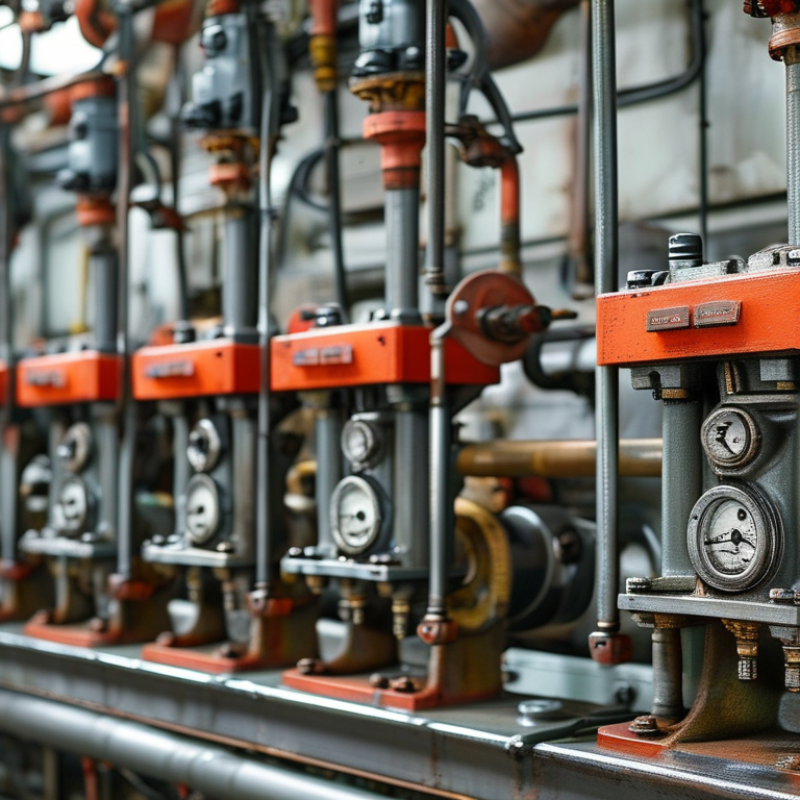
When exploring the market for lube oil pumps, it's crucial to understand the different types available. Lube oil pumps are essential in various applications, from engines to industrial machines. They serve to circulate oil, ensuring components function smoothly. According to a report by MarketsandMarkets, the global lube oil pump market is projected to grow at a CAGR of 4.3% from 2022 to 2027. This growth indicates increased demand for efficient lubrication solutions.
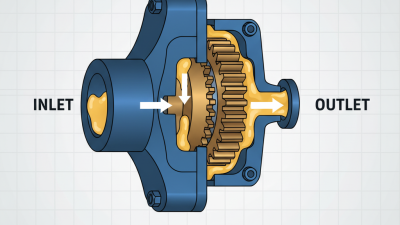
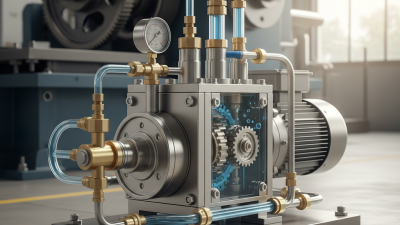
There are mainly three types of lube oil pumps: gear pumps, diaphragm pumps, and screw pumps. Gear pumps are widely used for their reliability and versatility. They operate by using gears to move oil, achieving high pressure in the process. Diaphragm pumps, while less common, provide precise flow control and are excellent for handling low-viscosity oils. Screw pumps are known for their ability to manage high-viscosity fluids, making them suitable for heavy-duty applications.
Choosing the right type often poses challenges. Each type has its pros and cons, which can impact performance. It’s essential to consider factors like application needs, viscosity of the oil used, and overall efficiency. A mismatch can lead to inefficient lubrication and increased wear on machinery. Recognizing these nuances can lead to better decisions when selecting a lube oil pump.
Key Factors to Consider for Pump Capacity and Flow Rate Requirements
When selecting a lube oil pump, understanding pump capacity and flow rate is crucial. The capacity directly influences how much lubricant can be delivered in a specific time frame. Consider the demands of your machinery. Heavy-duty applications may require a higher capacity pump. Assessing your machinery's specifications can help determine the necessary capacity.
Flow rate is another essential factor. It indicates how quickly the oil can be pumped. A higher flow rate can prevent overheating and maintain optimal performance. However, excessive flow might lead to waste. It’s important to strike the right balance based on operational requirements.
While these factors are vital, it's also worth noting that overstating pump specifications can lead to issues, like cavitation or inefficient performance. Regular maintenance and timely inspections are key to ensuring your pump functions efficiently. A pump that fails to meet its flow rate can cause lubrication issues, affecting the whole system's integrity.
Evaluating Pump Material Compatibility for Various Lubricants
When selecting a lube oil pump, understanding pump material compatibility is crucial. Different lubricants can react with materials differently. Research shows that up to 30% of pump failures stem from material incompatibility. For example, petroleum-based oils might cause rubber seals to deteriorate faster than synthetic oils, leading to leaks and performance issues.
Prioritize the pump's construction materials. Materials such as stainless steel or high-grade plastics often provide better resistance against various lubricants. It's essential to consult industry compatibility charts. This is where you can see specific materials and their interactions with different oils.
Conduct thorough evaluations during the selection process. Sometimes, a less common lubricant may require specific pump materials to function efficiently. Testing small quantities of lubricant in the pump material can reveal potential issues before full implementation. Always document findings and reconsider the choice if any negative reaction occurs. Compatibility is key to ensuring long-term pump efficiency and reliability.
Top 5 Lubricants and Their Compatibility with Common Pump Materials
Importance of Energy Efficiency Ratings in Lube Oil Pumps
Energy efficiency ratings play a critical role in selecting the right lube oil pump. A well-rated pump not only reduces operational costs but also minimizes environmental impact. According to recent industry reports, pumps with higher energy efficiency ratings can reduce energy consumption by up to 30%. This translates directly into cost savings for businesses while lowering carbon emissions.
When assessing pumps, look for those labeled with efficiency grades such as ISO 14001. These certifications indicate a commitment to energy management, enhancing your facility's overall sustainability. Consider the lifespan and maintenance requirements as well. A more efficient pump may require less frequent maintenance, conserving both time and resources.
Choosing the right pump is crucial. Ensure that you analyze the specific requirements of your application. Performance, volume capacity, and energy consumption must align with operational demands. Before making a final decision, consult with industry experts and compare performance metrics. Small details can lead to substantial differences in efficiency and longevity. Prioritizing energy-efficient pumps ultimately supports both economic and environmental goals, driving better outcomes for your operations.
Analyzing Maintenance Requirements and Service Life of Oil Pumps
When selecting a lube oil pump, understanding maintenance requirements is crucial. Regular maintenance ensures optimal performance. Studies show that well-maintained pumps can last up to 20% longer than poorly maintained ones. It's essential to follow the manufacturer's maintenance guidelines. Checking for leaks and ensuring proper lubrication can help prevent costly breakdowns.
Oil pumps require specific care to extend their service life. For example, replacing worn parts promptly can prevent further damage. Reports indicate that nearly 30% of pump failures are due to neglect. Monitoring the temperature and pressure during operation allows for early detection of potential issues.
An investment in quality maintenance practices can lead to higher efficiency levels. Regular inspections can reduce the risk of unexpected failures. However, some operators often overlook these basic routines. The cost of inaction can be significant, both financially and operationally. Being proactive is not just good practice but essential for long-term reliability.
Top 5 Tips for Choosing the Best Lube Oil Pump
| Tip # |
Description |
Maintenance Frequency |
Service Life Expectancy |
| 1 |
Select a pump type that matches the viscosity of the oil. |
Monthly |
5-10 years |
| 2 |
Ensure compatibility with your current system and fluid. |
Quarterly |
3-7 years |
| 3 |
Evaluate the pump's flow rate to meet operational needs. |
Monthly |
6-12 years |
| 4 |
Check for features like variable speed and automatic shut-off. |
Annually |
4-8 years |
| 5 |
Consider maintenance and service support availability. |
Biannually |
5-15 years |